Skip to content

Valipac Academy

is an initiative of Valipac

  • Modules
    • Howto2
      How to complete your declaration?
    • Icon Box
      Sustainable packaging
    • Icon Tri
      Sorting in your company
    • Icon Process
      Recycling of commercial and industrial packaging
    • Icon Justice
      Gaining a better understanding of the legislation
    • Replays and webinars
  • About
  • Contact
  • valipac.be
  • en
    • nl
    • fr
Icon Box
Design4recycling guidelines
  • Promoting reusable packaging
  • The recyclability of metal packaging
  • The recyclability of expanded polystyrene
  • The recyclability of Big Bags
  • The recyclability of strapping bands
  • The recyclability of rigid plastic
  • The recyclability of flexible plastic
  • The recyclability of paper/cardboard
Home Modules Sustainable packaging Design4recycling guidelines The recyclability of strapping bands

The recyclability of strapping bands

Strapping bands are mainly used to group products or to ensure the stability of a pallet load during transport or storage. They are usually made of PP (polypropylene) or PET (polyethylene terephthalate).

Recyclable strapping bands

PP strapping bands have a non-slippery texture and are available in various colours.
PET strapping bands are smooth and often green in colour because they are made from recycled bottles.
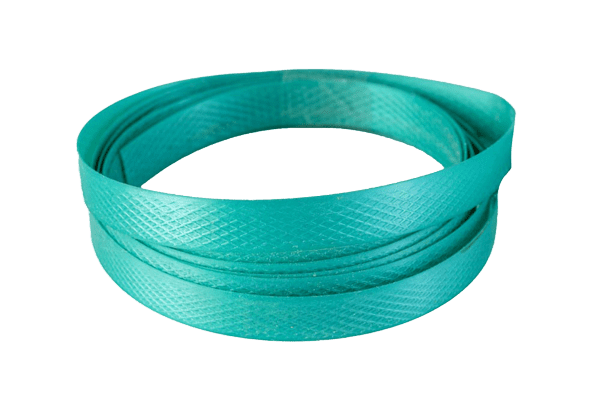
Lien De Cerclage

Non-recyclable strapping bands

A third type of strapping band consists of PET fibres which are held together with glue (see photo on the right). These strapping bands are not recyclable.
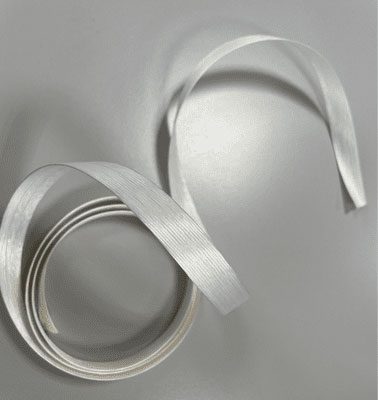
Cerclage Non Recyclable
The recyclability of Big Bags The recyclability of rigid plastic

Valipac Academy

is an initiative of Valipac

  • Modules
    • Howto2
      How to complete your declaration?
      • EPR, what’s that?
      • Why do you need to complete a declaration?
      • Who must complete a declaration?
      • Which packaging must be declared?
        • Packaging – non-packaging
        • Internal packaging
        • Single-use packaging and reusable packaging
        • Primary, secondary and tertiary packaging
        • Household packaging vs commercial & industrial (C&I) packaging
        • Recyclable / non-recyclable packaging
        • Hazardous product packaging
      • Bonus myRecycledContent
      • Which type of declaration to choose?
      • How to obtain your declaration data?
      • How to submit your declaration?
      • The declaration guide on video
      • Useful documents
      • The declaration guide on paper
      • Group declaration
      • How much do our services cost?
    • Icon Box
      Sustainable packaging
      • Design4recycling guidelines
        • Promoting reusable packaging
        • The recyclability of flexible plastic
        • The recyclability of rigid plastic
        • The recyclability of paper/cardboard
        • The recyclability of strapping bands
        • The recyclability of Big Bags
        • The recyclability of expanded polystyrene
        • The recyclability of metal packaging
      • Assess the recyclability of your packaging
      • Quick wins
      • Packaging diagnoses
    • Icon Tri
      Sorting in your company
      • Checking my obligations
      • Assessing my waste
      • Finding a collector
      • Find out more about Valipac incentives
      • To the sorting shop
    • Icon Process
      Recycling of commercial and industrial packaging
      • The second life of plastic
      • The second life of metal
      • The second life of wood
      • The second life of cardboard
    • Icon Justice
      Gaining a better understanding of the legislation
      • Icon Justice
        Belgian legislative framework
        • Flemish legislative framework
        • Walloon legislative framework
        • Brussels legislative framework
      • EPR systems in Europe
      • Plastic tax
      • Waste Shipment Regulation
      • Packaging and Packaging Waste Regulation
    • Replays and webinars
  • About
  • Contact

© 2026 Valipac Academy - All rights reserved

  • Privacy policy
  • Cookies

Made by Globule Bleu